What to Do If a Storm Damages Your Roof in New Jersey
A step-by-step guide to documenting storm damage, stopping leaks, and getting your roof repaired or replaced through insurance.
Step 1: Stay safe and stop the leak
After a severe storm, the first priority is safety. Do not climb on the roof yourself. If water is entering the house, place buckets under active drips, move furniture and electronics away, and use a tarp inside the attic to channel water to a container if you can do so safely.
If the damage is extensive, call a roofing contractor for an emergency tarp. A temporary tarp costs far less than replacing drywall, insulation, and flooring later.
Step 2: Document everything
Take photos and videos of every damaged area from the ground: missing shingles, dented gutters, fallen branches, and interior water stains. Note the date and time of the storm. This documentation is what your insurance company and adjuster will want to see.
If you have before photos of the roof, gather those too. They make it much easier to prove that the damage was caused by the storm and not pre-existing wear.
Step 3: Call your insurance company
Report the claim promptly. Most policies require prompt notification. Ask for a claim number and the adjuster's contact information. Ask whether they need an estimate before the inspection or if they will send an adjuster first.
You are allowed to have your own contractor present during the adjuster's inspection. In fact, it is one of the best ways to make sure nothing is missed.
Step 4: Get an independent inspection
Insurance adjusters see many roofs in a day. A contractor who works in your town every day can point out subtle damage — creased shingles, bruised flashing, or compromised underlayment — that might otherwise be overlooked.
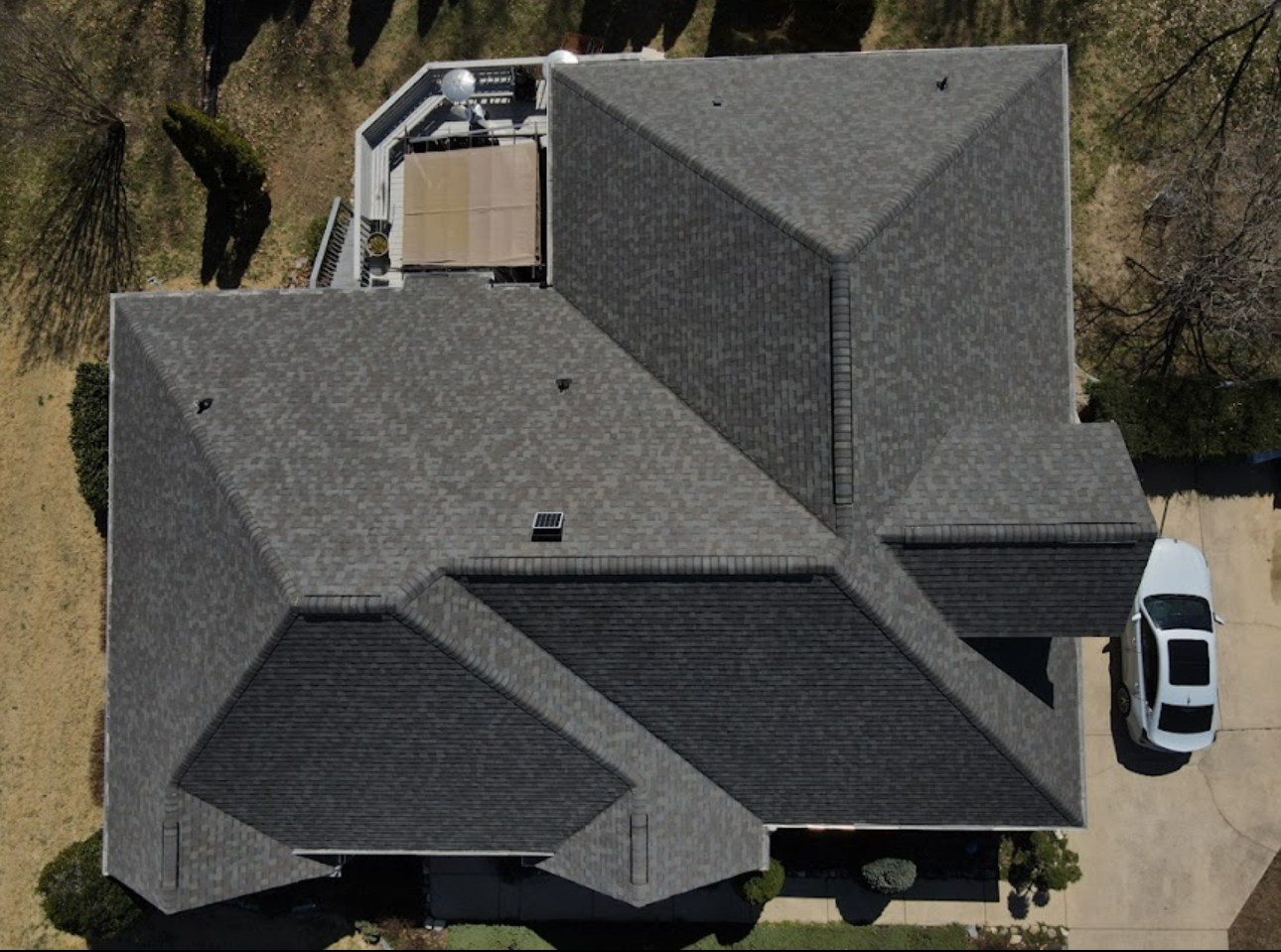
At Alba Pro Construction, we meet adjusters on-site, provide drone photos, and bill the carrier directly. You pay only your deductible for covered work.
Step 5: Review the estimate before work starts
Make sure the scope matches what was approved. If the insurance estimate is missing line items your roof needs — like ice-and-water shield, ridge vent, or decking replacement — your contractor can supplement the claim with documentation before work begins.
- Close to our shop? See what a free roof inspection in Garfield, NJ.
- Common leaks, pricing and the repair or replace decision for roof repair in Clifton.
Run your roof size, material and pitch through our New Jersey roof cost calculator for a planning range in about 30 seconds, then call +1 (201) 994-8577 for a free on-site inspection and written estimate.
Call +1 (201) 994-8577