Storm Damage Roof Inspection Checklist for NJ Homeowners
A room-by-room and roof-by-roof checklist for inspecting storm damage after a nor'easter or high-wind event in North Jersey, plus what to photograph.
Before you check anything, think about safety first
After a nor'easter or a high-wind thunderstorm, the instinct is to get outside right away and look at the roof. Wait until winds have genuinely died down and check for downed power lines near the house before walking the yard. A line that looks dead can still be energized, and it is not something to guess about.
Never climb onto the roof yourself to inspect storm damage, especially with wet or debris-covered shingles. Nearly everything on this checklist can be done from the ground with binoculars, from upstairs windows, or with photos from a phone held up near an attic vent or dormer window.
If you smell gas, see obvious structural sagging, or water is actively pouring into the house, that takes priority over any inspection. Call for emergency help and get people out of the affected area first.
Ground-level roof checklist
Walk the perimeter of the house and look up at the roofline from several angles. You are looking for missing or lifted shingles, exposed dark patches where granules have blown off, and shingles that look curled or torn at the edges. Also look at ridge caps along the peak of the roof, since wind commonly lifts these first.
Check gutters and downspouts for excessive granule buildup, which looks like coarse black or gray sand collecting at the bottom of a downspout. A heavy amount right after a storm is a sign of accelerated shingle wear, even if nothing looks obviously torn from the ground.
Look at flashing around the chimney, any skylights, and roof-to-wall intersections for pieces that are bent, lifted, or missing entirely. Also scan the yard and driveway for shingle pieces, granules, or metal flashing fragments that blew off during the storm, since debris on the ground is often the clearest sign something came loose above.
Attic and interior checklist
Go into the attic with a flashlight if you can do so safely and check the underside of the roof deck for new wet spots, staining, or daylight coming through anywhere it should not. Pay particular attention to areas around chimneys, vent pipes, and any dormers, since these are the most common leak points after wind-driven rain.
Walk through the upper floors of the house and check ceilings and the tops of walls for new stains, bubbling paint, or a musty smell. Bathrooms, closets on exterior walls, and rooms below a flat roof section deserve extra attention since they tend to show problems first.
Check windows and exterior doors on upper floors for water intrusion around the trim, which can indicate a wall-flashing failure rather than a roof field problem. Note the exact rooms and locations affected so you can describe them clearly to whoever inspects the roof.
Special attention: flat and low-slope sections
Homes in Newark, Paterson, and Jersey City frequently have a flat or low-slope rear addition or a full flat roof on multi-family buildings, and these need a different kind of check after a storm. Look for ponding water that has not drained more than 48 hours after the rain stopped, since standing water stresses seams and can indicate a drainage problem.
Check any interior ceiling below the flat section for the same staining and bubbling signs described above. Flat roofs tend to leak at seams, at the perimeter edge metal, and around any roof drains or scuppers, so those are the priority spots to note if you can see them safely from a window or fire escape.
If the flat roof has visible debris, torn membrane, or lifted edge metal, treat it as a priority item for inspection even if the interior has not shown a leak yet, since these roofs can hold water problems out of sight for a while before they show up inside.
What to photograph for your records
Take wide shots of each side of the roof from the ground, then zoom in on any specific damage you can identify: missing shingles, exposed decking, bent flashing, or damaged gutters. Include a shot of any debris on the ground near the house, since this helps establish that the damage is storm-related and recent.
Photograph interior damage room by room, including a wide shot of the room and close-ups of the stain, bulge, or wet material. If you catch water actively coming in, a short video showing the drip location relative to the room is useful documentation.
Note the date of the storm and the date you took the photos, and keep them together in one folder. This documentation is useful for your own records and for a contractor's inspection, though we cannot promise how an insurance carrier will evaluate a claim.
When to call for a professional inspection
If you found any damage on this checklist, or even if the roof looks fine but you know it took direct wind or hail, it is worth getting a professional look. Damage from high wind is not always visible from the ground, particularly lifted seals along shingle edges that have not fully separated yet.
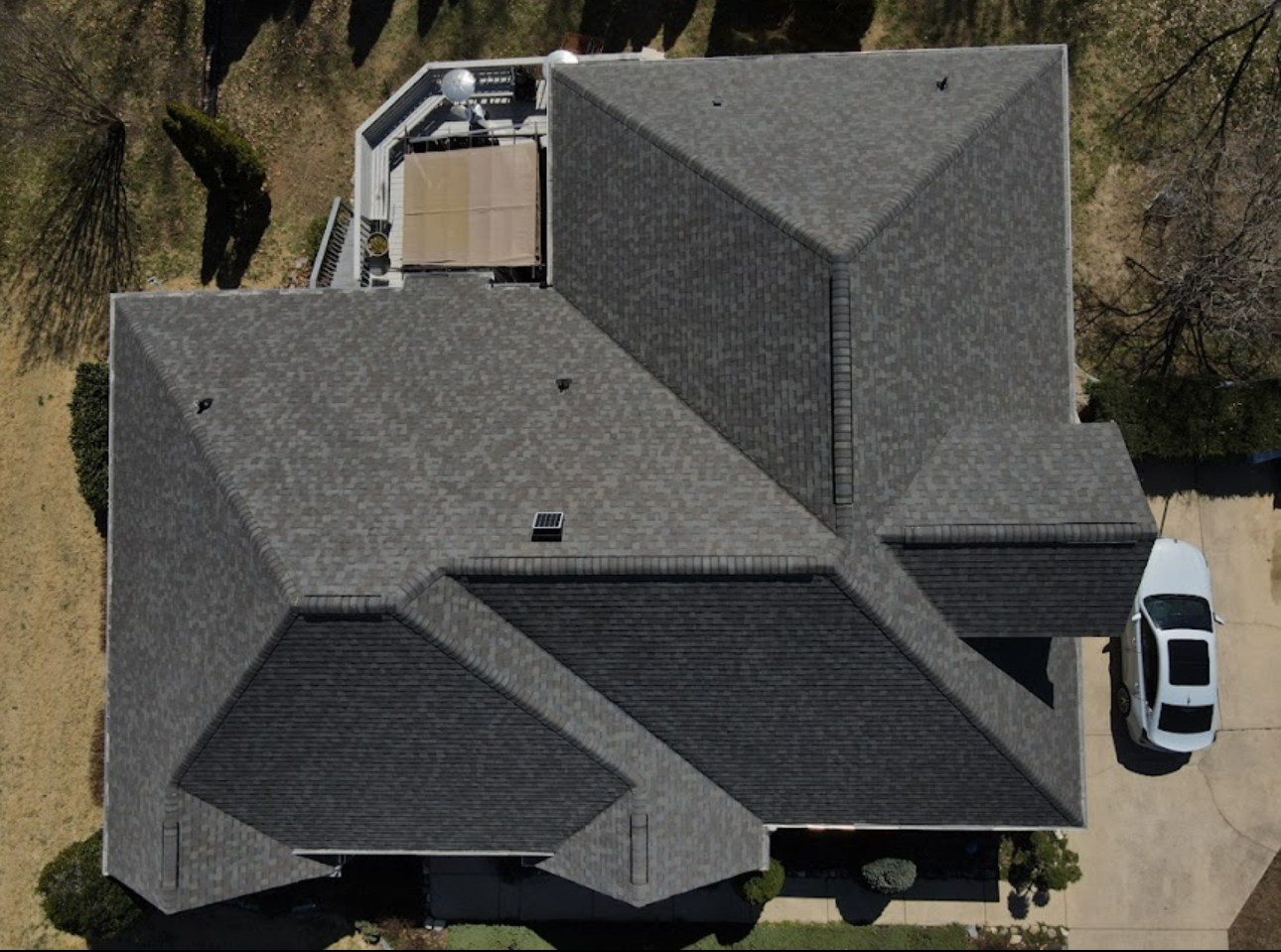
We offer a free drone roof inspection that documents the entire roof surface without unnecessary foot traffic on a roof that may already be compromised. That gives you a clear photographic record alongside a written estimate delivered within 24 hours of the inspection.
If the interior shows active water intrusion, ask about emergency tarping to stop further damage while repairs are scheduled. Getting ahead of a small storm-related issue is almost always less costly than waiting for it to reappear after the next rain.
Questions homeowners ask us on the phone
How soon after a storm should I inspect my roof?
Check as soon as it is safe, meaning winds have died down and there are no downed power lines nearby. Most of the checklist can be done from the ground or from inside the house. A professional inspection is worth scheduling within a few days, especially if you noticed any signs of damage.
Is granule buildup in my gutters a sign of storm damage?
A small amount of granule loss is normal over time, but a heavy amount right after a storm suggests accelerated wear from wind or hail impact. It is worth having a roofer check the shingles even if nothing looks visibly torn from the ground.
What should I photograph after storm damage to my roof?
Photograph wide shots of each roof side, close-ups of any visible damage, debris on the ground near the house, and every affected interior room with both a wide shot and close-ups of stains or wet spots. Keep the photos dated and organized together for your records.
Can wind damage a roof without it being visible from the ground?
Yes. Wind can lift and partially reseal a shingle's edge without tearing it off completely, which is not always obvious from a ground-level look. This is one of the main reasons a closer professional inspection after a significant wind event is worthwhile even when nothing looks wrong.
How do I check a flat roof for storm damage if I cannot walk on it?
Look for ponding water that has not drained within about 48 hours, visible debris, torn membrane, or lifted edge metal from a safe vantage point like a window or fire escape. Check ceilings below the flat section for staining or bubbling, and have a professional inspect the roof surface directly if you notice any of these signs.
Run your roof size, material and pitch through our New Jersey roof cost calculator for a planning range in about 30 seconds, then call +1 (201) 994-8577 for a free on-site inspection and written estimate.
Call +1 (201) 994-8577